Hops and Fruit That Go Best in Winter Beers and Ciders
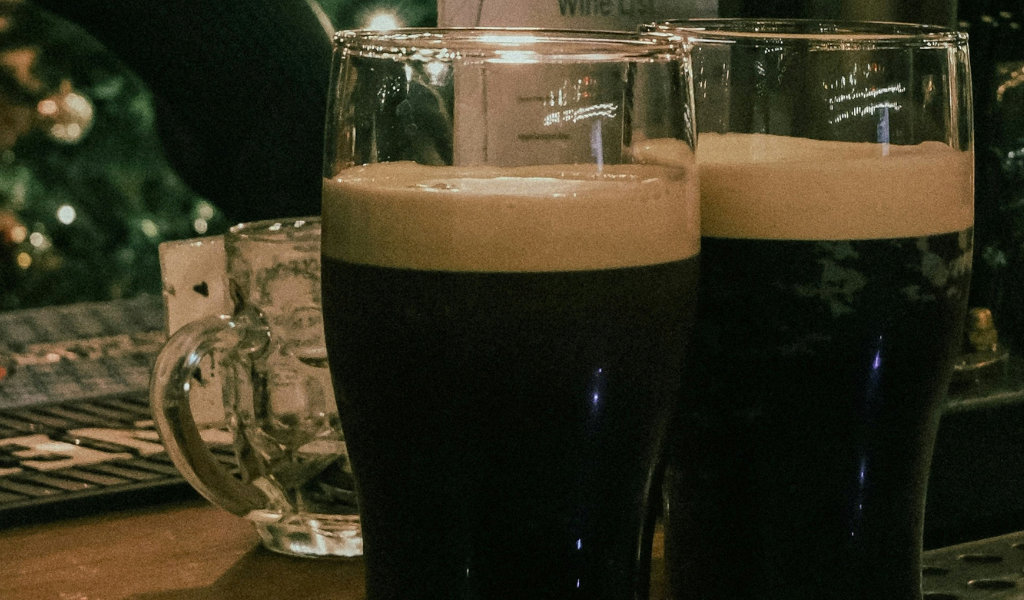
If you ask a brewer what season they love most, many will say winter. Not because it's easy, but because the styles you get to build are worth it. Malty, warming, complex, and layered, winter beers and ciders reward patience, good ingredients, and a plan that starts before the first cold snap hits.
This guide covers a few of the most popular winter beer and cider styles, the hop varieties and fruit ingredients that make them work, and where to source them so you can pour your best batch when it matters most.
Winter Beer Styles. Dark. Rich. Malt-Forward
From November to February, tap lists will feature dark and roast styles like stouts, porters, bocks, and spiced ales. The hops you choose in these styles aren't the star of the show; they provide structure and balance.
What Hops Work Best in a Winter Warmer?
The Winter Warmer is a British-rooted style that's made itself fully at home in American craft brewing. Full-bodied, moderately strong, built on caramel and toffee malt character with enough hop balance to keep the sweetness in check. Some brewers add spice; most let the malt do the talking.
The hop job here is restraint and complementation:
Hallertau Mittelfrüh brings a soft, floral, herbal character that sits beautifully against a sweet malt backbone without asserting itself. It's one of the original noble hops, and it earns its place in this style every winter.
Cascade adds familiar citrus brightness with grapefruit and floral notes that lift the finish and give the beer a more American character.
Centennial delivers clean, slightly floral bitterness for balance. High alpha, reliable, and widely available.
Chinook works hard in the boil. Its resinous, piney edge keeps a malt-heavy beer from going one-dimensional.
What Hops Go in a Doppelbock?
Developed by Paulaner monks in Munich as Lenten sustenance, "liquid bread" is not a myth. The Doppelbock is one of the most technically demanding lager styles a brewer can attempt. Deep amber to brown, rich with bread and dried fruit from melanoidin malts, and clean through fermentation in a way that defies its ABV. Noble hops only.
Hallertauer Mittelfrüh: Soft, floral, herbal. Integrates seamlessly into heavy malt without calling attention to itself.
Tettnanger: Mild, slightly spicy, earthy. Reads as authentically German without fighting the malt.
Saaz: The classic Saazer-type noble character: clean, slightly herbal, subtle. Completely at home in a lagered malt bomb.
What Are the Best Hops for a Baltic Porter?
The Baltic Porter evolved as imperial stouts traveled east along Northern Europe's coastline and adapted to local lagering traditions. It's dark and rich with chocolate, coffee, dark fruit, and molasses, but with a smoothness that separates it from its ale-fermented cousins. Keep the hop bill restrained and purposeful.
Magnum: High alpha, clean bittering, zero distraction from the malt complexity. The workhorse for this style.
Saaz: Subtle herbal character in late additions echoes the style's European lineage and keeps the finish from going flat.
What Hops Are Used in a Schwarzbier?
Germany's black lager drinks lighter than it looks. It offers roasted malt character without the heaviness of a stout, a dry finish, and drinkability that makes it dangerously sessionable. Clean fermentation is everything here; the hops are supporting cast.
Hallertau Mittelfrüh: Soft floral note that works in virtually every traditional German lager style.
Magnum: Clean bittering duties, no noise.
Saaz: Classic noble profile: subtle, herbal, honest.
What Hops Work in a Winter IPA?
Not every winter beer goes dark. The Winter IPA is a full-strength IPA built for cold-weather palates: resinous, piney, and tropical, with enough weight to stand up to heavy food and long evenings. Trending hard in craft taprooms this season alongside the West Coast IPA revival.
Mosaic: Complex tropical and berry-forward aromatics: blueberry, mango, and stone fruit that carry through dry hopping with impressive clarity.
Simcoe: Resinous pine and earthy depth. Gives a Winter IPA its backbone.
Chinook: High alpha, piney, grapefruit-y, assertive. Anchors the whole build.
What Hops Go in a Spiced Ale?
Spiced ales give the brewer the most room to run with creativity. No strict style guidelines, just the challenge of integrating warming spice into a balanced, drinkable beer without tipping into potpourri. The hop choices here focus on restraint and complementing the spice rather than competing with it.
Tettnang: Its mild, slightly spicy, earthy noble character echoes the spice additions without fighting them.
Willamette: Woody, floral, slightly herbal. Reads as autumnal and grounding, holding the whole composition together.
What Chocolate Makes for a Great Chocolate Stout?
Rich, roasted, and built for slow sipping. The chocolate stout is the dessert beer that brewers and drinkers reach for when the season calls for something decadent. For a version that goes beyond roasted malt alone, FRUITGUILD's Chocolate Cream Purée adds genuine confectionery depth: real cream and chocolate character that integrates into the ferment in a way no grain bill fully replicates.
Winter Cider Styles. Spice. Warmth. Sweetness.
What Are the Best Ingredients For Winter Ciders?
Winter is a great season for cider. Fruited ciders with cranberry, pomegranate, and tart cherry are among the fastest-growing segments in the craft beverage market heading into the cold months. The warming spice combinations and high-ABV dessert styles that define winter cider production all depend on one thing: fruit quality. FRUITGUILD processes Grade-A aseptic purées and concentrates in small batches more often than the industry standard, using many varieties within one month of processing. What goes into your fermenter actually tastes like what it's supposed to taste like.
What Fruit Ingredients Work in a Spiced Cider?
Cinnamon, nutmeg, clove, cardamom. These warming spices have been paired with fermented apple juice for centuries because they work. The brewer's job is integration. FruitGuild purées that complement a spiced base:
Ginger Purée: Bright, warming heat that plays beautifully with every warming spice combination.
Pumpkin Purée: Earthy sweetness and body. Seasonal and grounding.
Orange Purée: Citrus brightness that lifts the whole blend.
What Goes in a Mulled Hard Cider?
Serve warm, simmered with whole spices and citrus peels, and often finished with brandy, rum, or whiskey. Mulled ciders are as much about the ritual of making them as they are about drinking. Fruit additions that deepen the base:
Cranberry Purée: Tartness and color. Cuts through the sweetness and keeps the finish clean.
Pomegranate Purée: Jewel-toned richness and a tart backbone that reads almost wine-like when warmed.
Plum Purée: Dark fruit depth that layers in beautifully with spiced profiles.
What Fruit Works in a Pomaceous or Berry Infusion Cider?
Ciders blended with tart winter fruits hit a different register than spiced styles: brighter, more acidic, and fruit-forward, contrasting with the richness of the season's food.
Dark Sweet Cherry Purée: Depth and a hint of bitterness from the skin.
Raspberry Concentrate: Bright acidity and vibrant color through the whole blend.
What Fruit Ingredients Make the Best High-ABV Dessert Ciders?
Rich, strong, and built for slow sipping. These ferment to wine-strength and beyond, often with fruit or dairy additions that push them toward the dessert end of the spectrum.
Apple Maple Purée: The anchor ingredient for this category, as maple adds caramel complexity that integrates beautifully at higher ABV.
Apple Purée and New York Apple Concentrate: Clean, concentrated apple character as the base.
Chocolate Cream Purée: Turns a high-ABV cider into something genuinely decadent. A category crossover that rewards the brewer willing to go there.
---
Start Planning Now, Your Winter Batch Won't Wait!
The brewers pouring something worth talking about in December started planning in September. Hop varieties for cold-weather styles aren't always sitting in unlimited supply, and fruit purées processed in small batches sell through faster than commodity ingredients. The window to lock in your winter inventory is before everyone else remembers it's almost winter.
HOPGUILD carries hand-selected hops from vetted Guild Growers worldwide. FRUITGUILD's full lineup of Grade-A aseptic purées and concentrates is available alongside, all shipped from our Elmira, NY warehouse.
One source. Everything verified. Ready for your best winter batch yet.
Source Smarter. Brew Better.
Shop everything → shop.thehopguild.com